
Our own work, in these suburbs.
Plumbing is one of the few trades where the work disappears the moment it's finished — behind a wall, under a slab, inside a cupboard nobody opens for ten years. This is what ours looks like before it vanishes, and what it looks like once we've packed up and gone.
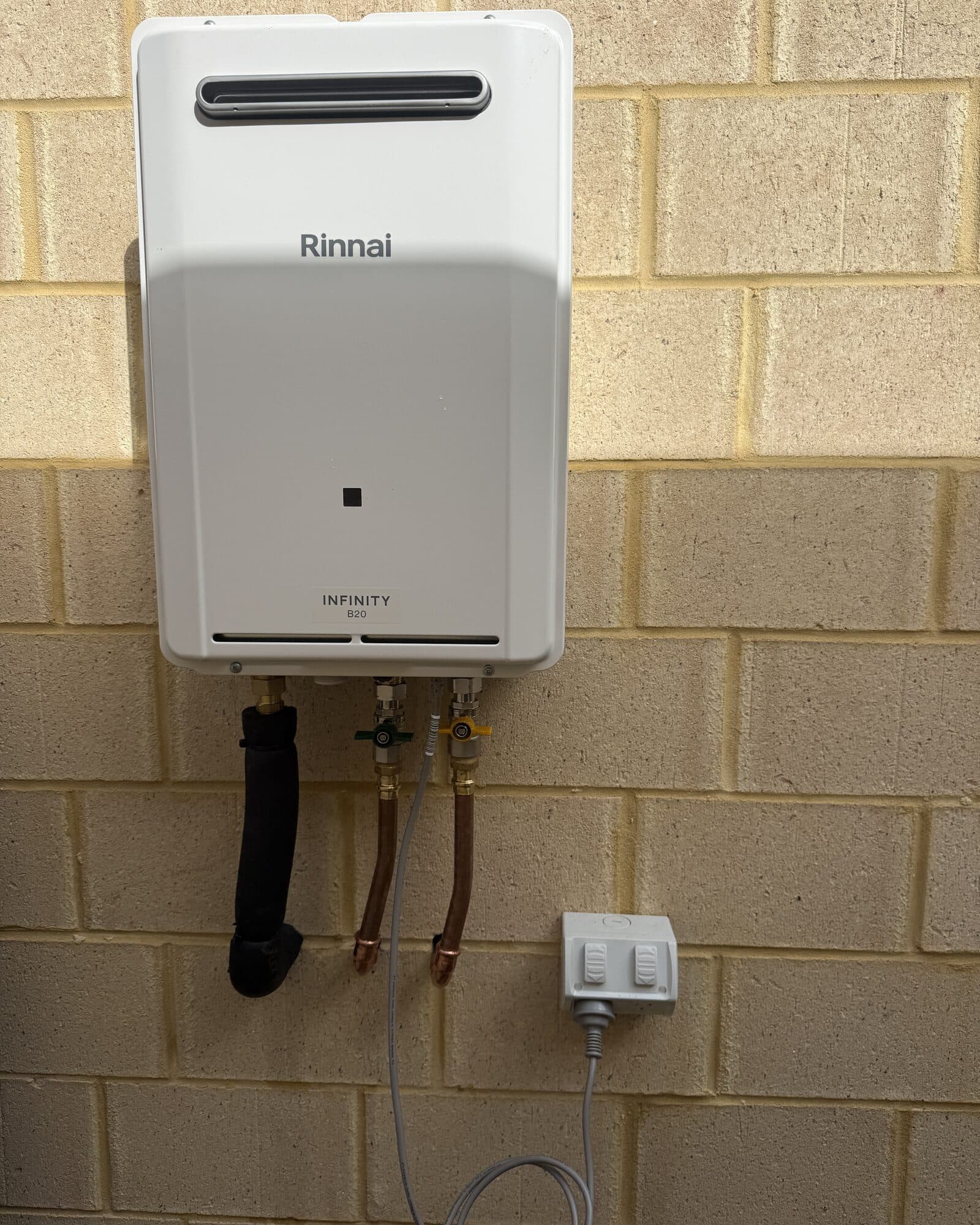
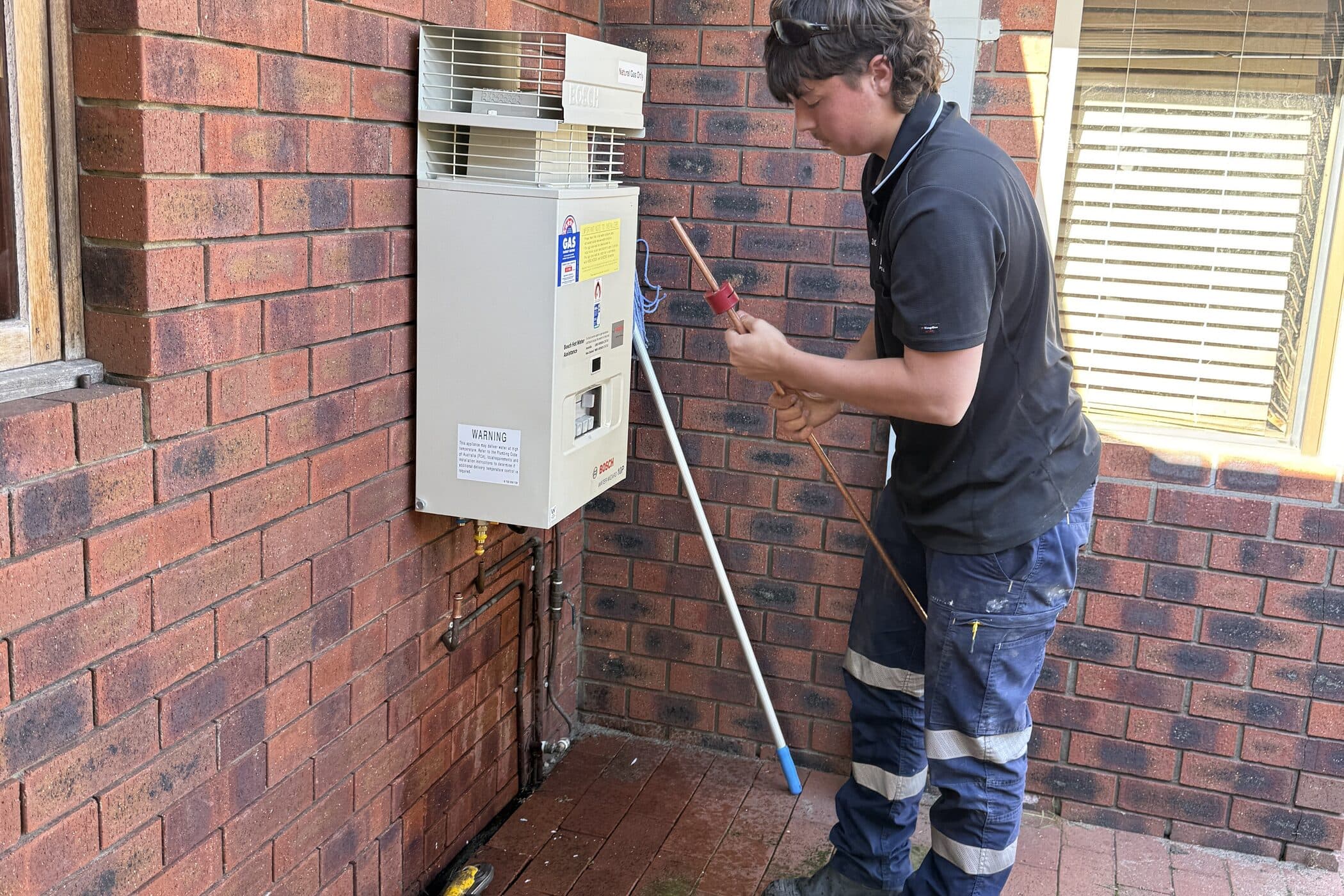
Hot water changeover
Old unit out, new one in, pipework straight and lagged, tempering valve to spec.
Hot water systems →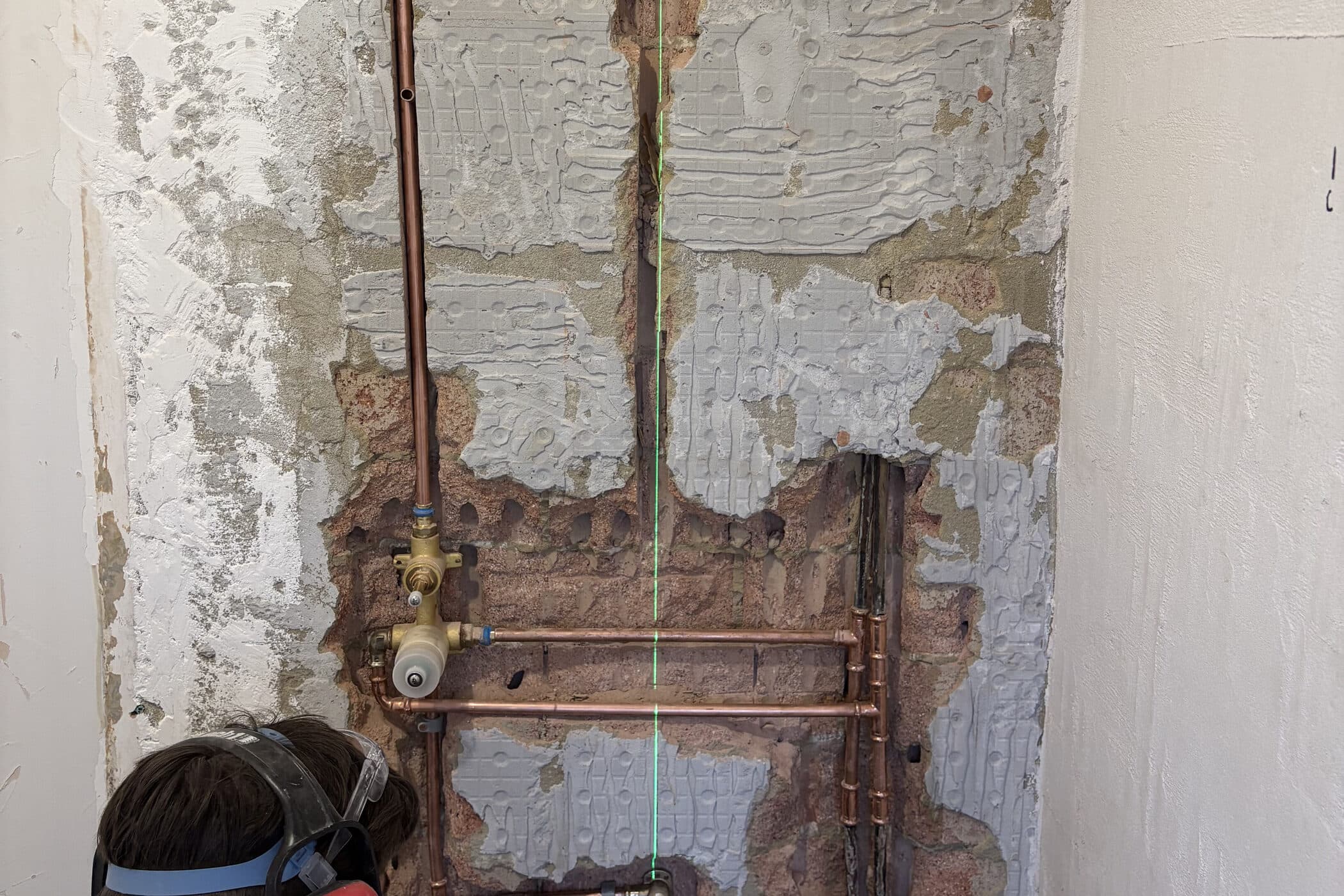
Bathroom rough-in
Hot and cold set out across an open wall, square and to the laser, before the tiler ever arrives.
Renovations & new work →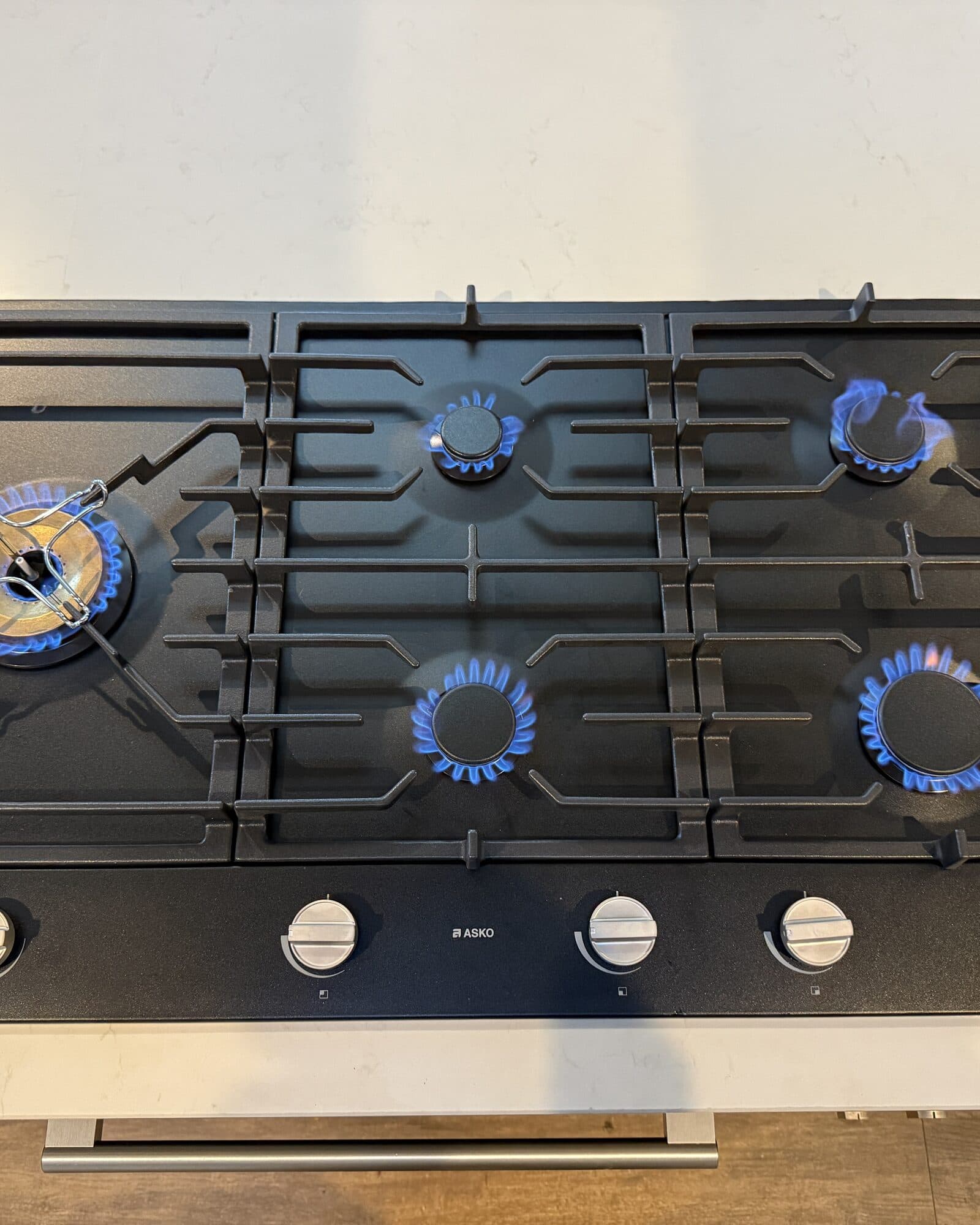
Gas cooktop connection
Connected, leak-tested and certified by a licensed gas fitter — not a handyman.
Gas fitting →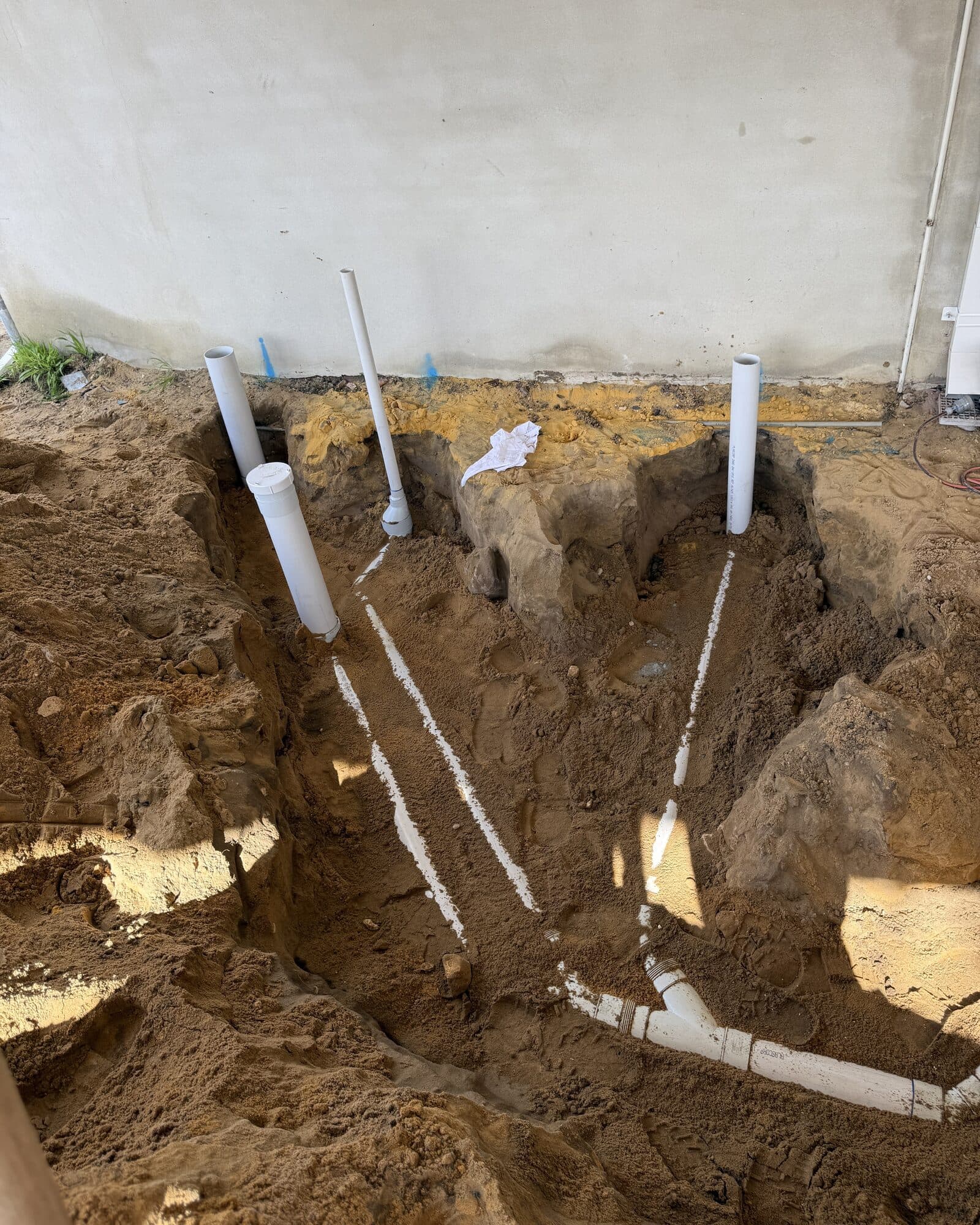
Sewer set out before backfill
Stacks plumb, falls right, every joint made up — checked before the trench goes back in.
Renovations & new work →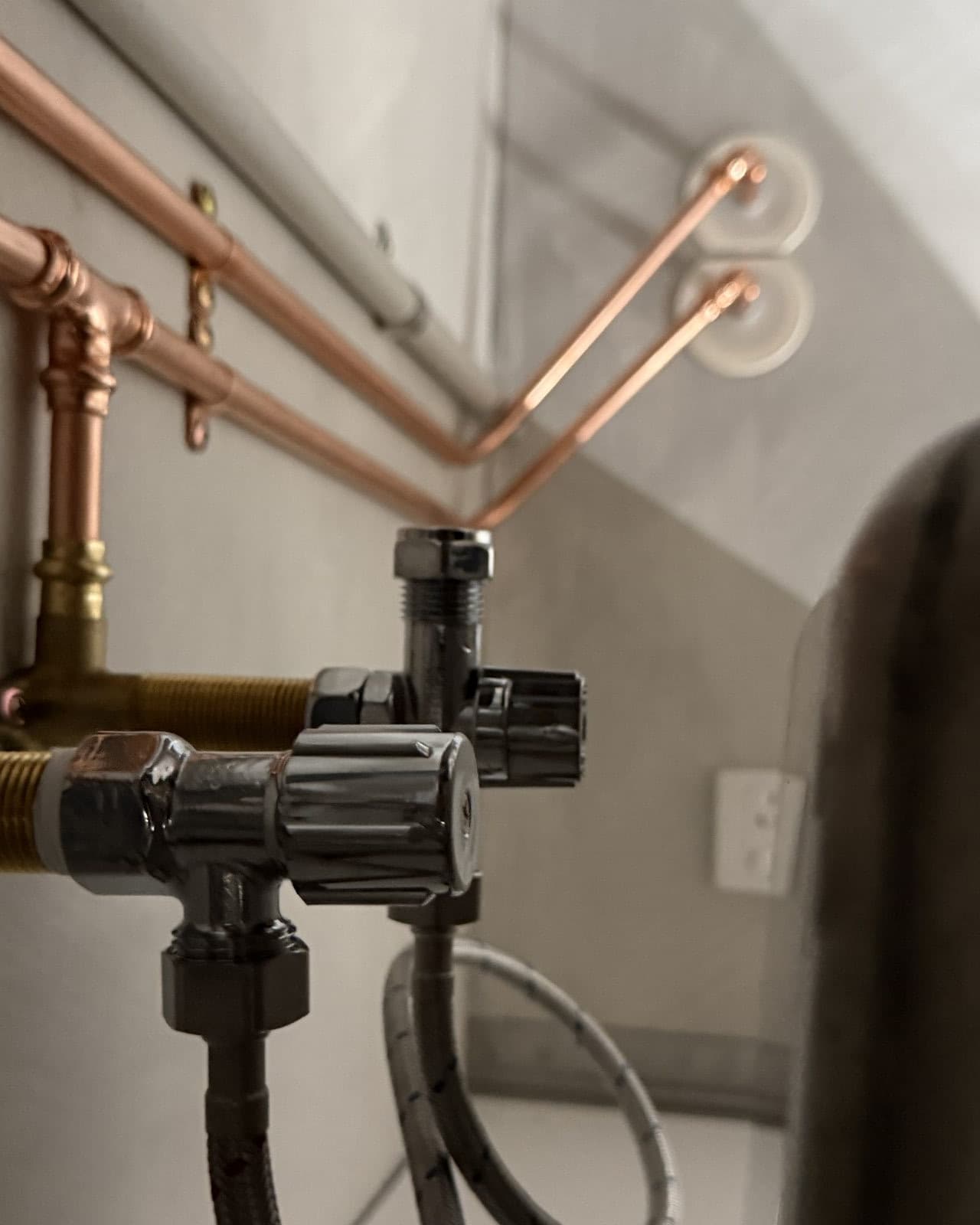
Cafe sink, pipework on show
A commercial fit-out where nothing gets covered up — copper run square to the wall, every isolator reachable without emptying the cupboard.
Renovations & new work →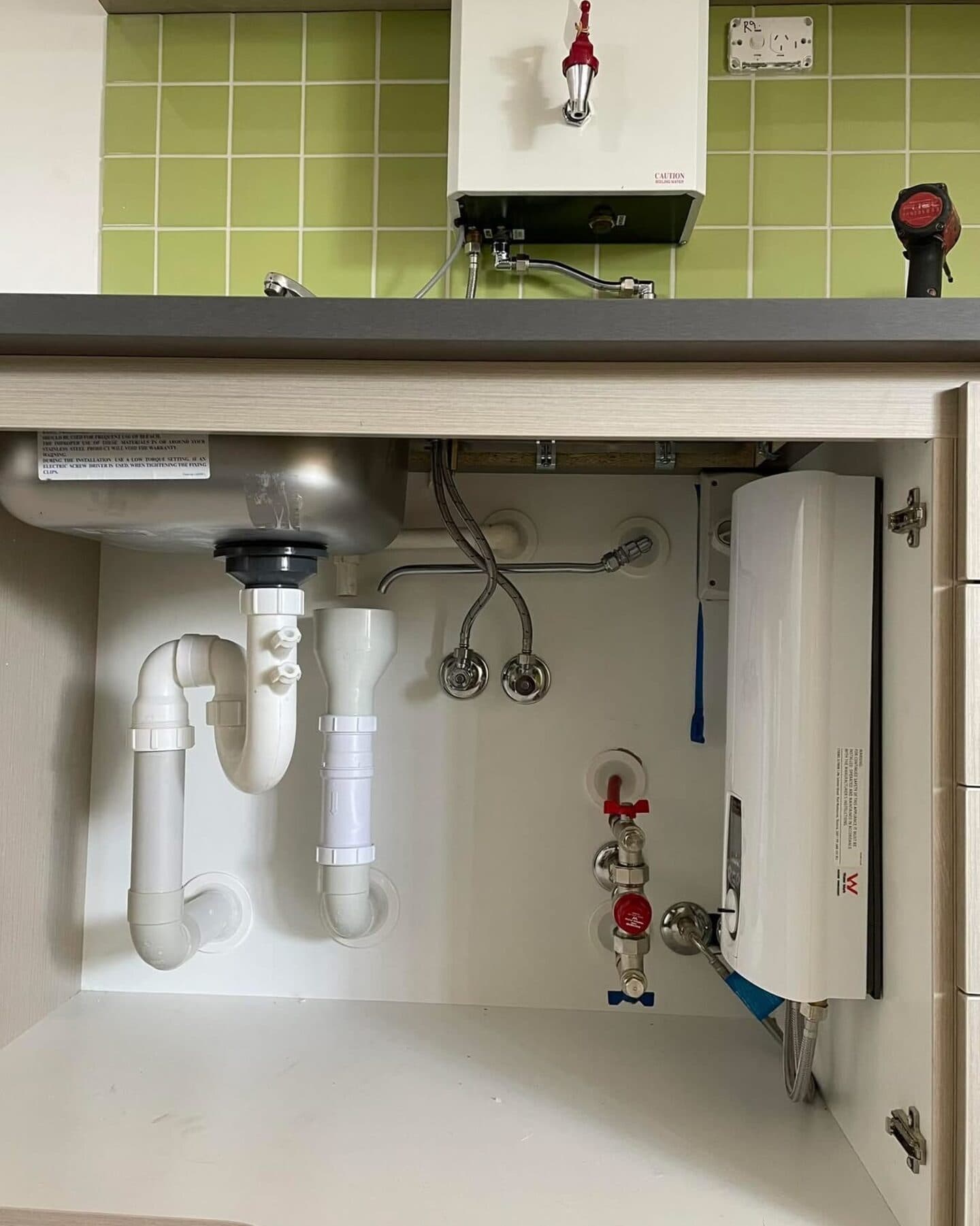
Under the sink, finished
Waste, flexes and isolation valves run so the next person can see what does what.
General plumbing →Five things to look at before you pay anyone.
Almost nobody knows how to tell good plumbing from cheap plumbing, which is exactly why cheap plumbing keeps getting sold. It isn't complicated. Here's what we check on our own jobs — use it on ours, and on the next quote you get from someone else.
- 01
Is the pipework straight, and is it held up?
Not vanity. Unsupported pipe moves every time the water turns on and off, and movement is what eventually opens a joint. Neat runs on proper saddles are the difference between a repair that lasts and one you'll see again.
- 02
Are there isolation valves?
A tap under the basin, a valve at the hot water unit. Fit them and the next repair means turning off one fixture. Skip them — and plenty do, because they cost money on the day — and it means the whole house off at the meter, every time, forever.
- 03
Is the hot water tempered?
Water leaves a storage unit hot enough to scald in a couple of seconds. A tempering valve brings it down to 50°C at the bathroom taps. It is the standard, it is not optional on a new install, and it is the single thing we most often find missing on work somebody else did cheaply.
- 04
Did you get the paperwork?
Gas work comes with a compliance certificate — that's the gas fitter putting their licence number against what they did. Ask for it. If it doesn't turn up, that tells you something worth knowing before you use the appliance.
- 05
What does it look like after they leave?
Offcuts gone, silicone lines clean, floor as it was. It isn't cosmetic: how carefully someone packs up is a fair guide to how carefully they worked when nobody was watching.
Something like this at your place?
We work across Perth, north and south of the river, from our base in Rossmoyne.